
Fast, Reliable Attic Insulation Across Manhattan Beach
Attic insulation in Manhattan Beach runs between $1,800 and $6,200 for most homes, with sand-section bungalows and hillside builds landing on the higher end because of crawlspace sealing and moisture work. Same-week scheduling is standard for our crews, and emergency moisture assessments can happen within 48 hours. We work in the 90266 and 90267 ZIP codes constantly, from the Strand up into the Hill Section and Tree Section. If you’ve been fighting high energy bills or rooms that never hold temperature, call (833) 356-0182 for a free estimate.
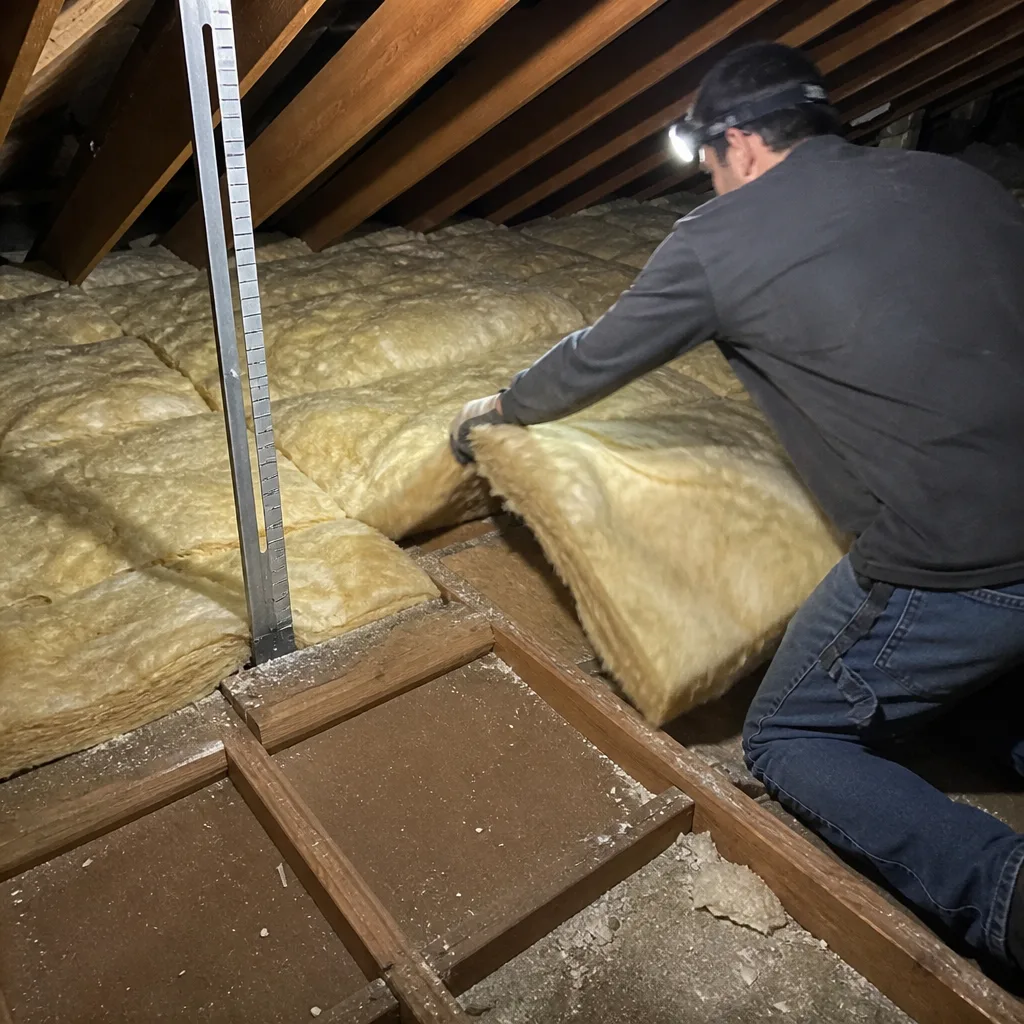
Manhattan Beach homes tell a story in their attics. The 1940s and 1950s bungalows off Marine Avenue and Rosecrans Place rarely have more than a thin layer of original fiberglass, and decades of salt-laden ocean air have usually left it sagging, compressed, or dotted with rust stains from corroded fasteners. Newer builds in the Hill Section have their own issues: large glass walls, vaulted ceilings, and attic chases that leak conditioned air straight into the roofline. Ruby Insulation has worked in enough Manhattan Beach attics to know which homes need sealing first, which need ventilation correction, and which simply need the right material finally installed.
Why Ruby Insulation Is Manhattan Beach’s Preferred Attic Insulation Company
Insulation is all we do. Ruby Insulation isn’t a general contractor with one insulation crew, and that distinction plays out differently in Manhattan Beach than it does inland. Our teams stop by this city weekly. They know the open crawlspaces under the Sand Section, the tight attic hatches in the older bungalows, and the newer construction methods in the luxury rebuilds. When a customer asks about salt-air corrosion or whether a radiant barrier makes sense in a mild coastal climate, the answer comes from hands-on experience with what’s been pulled out of these attics.
We carry Johns Manville, Owens Corning, and Rockwool for fiberglass and mineral wool applications, plus Icynene and Demilec for open- and closed-cell spray foam. That’s not a catalog flex. It matters for a city like Manhattan Beach where the building stock changes block by block. A 1950s beach cottage needs a different tool than a newly framed custom home, and our Attic Insulation team has the product range to match the house rather than forcing the house to match one brand.
Noel Ibarra leads the operation with a straightforward approach: diagnose the actual problem, quote the fix, and leave the job cleaner than we found it. Manhattan Beach homeowners consistently tell us the same thing: the crew showed up when promised, explained what they found, and left the attic with documentation of what was done. Our response time to Manhattan Beach is typically same-day for estimates and less than a week for full installation once materials arrive.
Attic Ventilation in Manhattan Beach
Attic Ventilation in Manhattan Beach is often more important than the insulation itself because of the marine layer, which moves in almost every afternoon and pushes cool, damp air into attic spaces through eave and gable openings. Without proper ventilation, that moisture condenses on the underside of the roof deck and runs into the insulation, reducing its R-value and feeding mold. We regularly find ridge caps so narrow they’ll never move enough air through a typical Manhattan Beach roof.
What We Check During Ventilation Work
We evaluate the ratio of intake to exhaust ventilation, the condition of existing roof vents and soffit openings, and whether the insulation has been packed tight against the roofline blocking critical airflow. A typical attic ventilation correction in Manhattan Beach runs $500 to $1,400, including sealing the hatch, adding baffles, and in many cases installing a hard-wired or solar-powered attic fan for easier airflow.
Signs a Manhattan Beach Home Needs Vent Work
Homeowners around the Silver Strand and Hill Section often notice condensation on the underside of the roof sheathing in the morning, rust drips on ceiling nails, or a persistent musty smell that never quite clears out. Any of these means trapped moisture, and the fix is usually a combination of venting and insulating the hatch opening, not adding more insulation on top of wet material.
Radiant Barrier in Manhattan Beach
Radiant Barrier in Manhattan Beach makes sense on certain roofs and not others. The benefit is real for attics under direct summer sun, especially when the roof has low cathedral space and no mechanical ventilation. What many homeowners don’t realize is that a radiant barrier works by reflecting radiant heat, so it has almost no effect if the roof is shaded by mature eucalyptus or a neighbor’s second floor. We always check roof orientation and attic temperature rise before recommending one.
How We Install Radiant Barrier
We staple the barrier to the underside of the roof rafters, leaving a minimum air gap against the sheathing. That gap is what makes the system work, and our crews cut reliefs around vents and chimneys to keep the barrier from trapping moisture. In Manhattan Beach the typical radiant barrier installation adds $900 to $2,200 to an attic project depending on attic volume and access difficulty.

When to Skip a Radiant Barrier
If your attic already has a working ridge-to-soffit ventilation system and the primary problem is cold rooms in winter rather than heat loading in summer, a radiant barrier will do less for you than replacing compressed batts or air sealing first. Noel Ibarra often recommends spending that budget on a baffle-and-vent correction and upgraded insulation layers that deliver year-round improvement.
Trusted Brands We Service in Manhattan Beach
We stock and install Johns Manville, Knauf, Rockwool, CertainTeed, Owens Corning, Icynene, Demilec, and GreenFiber. For Manhattan Beach customers that means we keep Rockwool mineral wool on hand for the salt-air environments common in the 90266 and 90267 ZIP codes, because it doesn’t soak up moisture or corrode like traditional fiberglass can when exposed to repeated condensation. We stock CertainTeed batts for standard retrofits and Johns Manville for cost-conscious re-insulation projects. High-end jobs in the Hill Section favor Demilec closed-cell spray foam for its air-sealing and moisture-barrier properties. Having these already in our local inventory means we can deliver to Manhattan Beach jobsites faster than contractors who order from a warehouse across the basin.
Common Attic Insulation Problems We See in Manhattan Beach Homes
- Sagging, compressed original fiberglass in 1940s-1950s bungalows. The batts installed along Manhattan Avenue and in the Sand Section during the postwar building boom have been flattened by decades of moisture and gravity. They hold little to no R-value anymore and need to come out rather than have new material blown over top.
- Open crawlspaces drawing damp ocean air into the floor system. Homes on raised foundations around the Strand carry cool, damp air directly under the living space, and that air migrates up into the attic through open wall chases. Insulation in the attic gets wet from below, and no amount of new batt or blown material fixes it without crawlspace sealing and subfloor work.
- Salt-air corrosion on vapor barrier edges and fasteners. The onshore breeze off the Pacific carries moisture and salt that slowly eat through metallic fasteners and taped seams. Homeowners who had a “quick fix” insulation job a few years ago often call us to find the barriers have reopened along their edges.
- Attic hatches with zero gasketing or weatherstripping. In older Manhattan Beach bungalows, the pull-down hatch or small scuttle opening is often just a piece of plywood sitting on trim. It leaks conditioned air year-round and is one of the easiest fixes we make while we’re in the attic.
Pricing for Attic Insulation in Manhattan Beach, CA
A standard attic insulation replacement in Manhattan Beach runs $2,200 to $4,800 for a typical 1,200 to 1,800 square foot home, using new batts or blown-in at R-38 to R-49. Top-up jobs, where existing insulation is healthy but under-depth, run $900 to $1,800. Adding a radiant barrier to an existing attic adds $900 to $2,200. Ventilation correction on its own lands between $500 and $1,400. If we’re opening up crawlspaces and sealing subfloor vapor barriers alongside the attic, expect to add $1,000 to $2,500 depending on access. The biggest drivers are roof height, material choice (closed-cell spray foam costs more), and whether old insulation needs full removal. Call (833) 356-0182 for an exact quote, free of charge.
We Also Serve Cities Near Manhattan Beach
Ruby Insulation runs crews through Redondo Beach, Rolling Hills Estates, Palos Verdes Estates, and Torrance every week. If you’re comparing contractors across these cities, know that our Manhattan Beach pricing is the same structure we use south and east of the city, with no added travel fees for any of the nearby beach communities.
Serving Manhattan Beach, CA — Our Local Coverage Area
We’re based in the Manhattan Beach area and know this community well. Use the map below to see our service coverage — if you’re nearby, we can almost certainly help.
FAQs About Attic Insulation in Manhattan Beach
Because in older Manhattan Beach homes, the existing insulation is usually wet, compressed, and contaminated with decades of salt-air dust, and blowing new fiberglass over it doesn’t fix the air leaks or moisture paths that caused the problem. We remove the old material first, seal the air leaks in the ceiling plane, and install new insulation at the correct depth. The cost difference is modest, but the performance difference is enormous.
Yes, directly. Damp ocean air moves under the floor system and up through the walls into the attic in many Sand Section and Strand homes, which is why we include crawlspace and subfloor sealing whenever it’s needed. Skipping that step means any new attic insulation starts absorbing moisture from day one. Call (833) 356-0182 and we’ll assess whether your crawlspace is contributing to the problem.
It depends on the roof exposure and attic layout. A radiant barrier helps most when attics heat up in direct afternoon sun, which is common on west-facing streets in the Tree Section. It does almost nothing for homes with heavy shade. We’ll check your roof temperature before recommending one so you don’t spend money on a product your home doesn’t need.
We start by measuring the existing ventilation ratio, which in older Manhattan Beach bungalows is almost always too low. We add or widen soffit vents, install baffles so insulation doesn’t block airflow, and sometimes add a powered attic fan if the roof has no natural ridge capacity. The goal is to keep the attic dry, not to meet a spec sheet on paper.
We recommend Rockwool mineral wool and closed-cell spray foam for the harshest salt-air exposure in Manhattan Beach. Both materials resist moisture, don’t support mold, and hold their structural and thermal performance through repeated condensation. For standard inland attics and mid-range budgets, CertainTeed and Johns Manville fiberglass batts with proper air sealing work well.
For honest answers about your Manhattan Beach attic, call Ruby Insulation at (833) 356-0182. We’ll schedule a free estimate, inspect what’s actually happening above your ceilings, and give you a straight recommendation with pricing you can compare.
Written by Noel Ibarra, Owner at Ruby Insulation, serving Manhattan Beach and the surrounding South Bay communities.